Yes, when the damage is sudden and accidental, and usually no when the glass fails from age or lack of maintenance. Homeowners across the DMV deal with cracked panes, shattered units, and failed seals every year from storms, accidents, and vandalism.
Advanced Window & Glass Repair has helped property owners navigate these situations since 1999 with clear documentation and repair-first options.
Understanding the difference between a covered peril and an excluded one saves both time and money. Local service details are available through glass repair services in Burke VA.
The Short Answer for Virginia, Maryland and DC Homeowners
Standard homeowners policies treat windows as part of the dwelling. Sudden damage from a covered peril is generally included under Coverage A.
Virginia, Maryland, and Washington, D.C. all follow this basic structure, yet the practical details differ. Deductible amounts, percentage wind and hail deductibles, and how adjusters view documentation can change the final outcome. The rest of this guide breaks those differences down with clear examples.
Which Causes of Broken Windows Are Usually Covered
Covered causes share one trait: they happen quickly and without warning.
Wind, hail, and falling trees or limbs are the most common covered perils in the DMV. A baseball from a neighbouring yard, a stone thrown by a lawn mower, or a vehicle that backs into the house also typically qualify. Vandalism and attempted break-ins are covered under most policies when the damage is intentional and malicious. Fire and explosion damage to glass is likewise included.
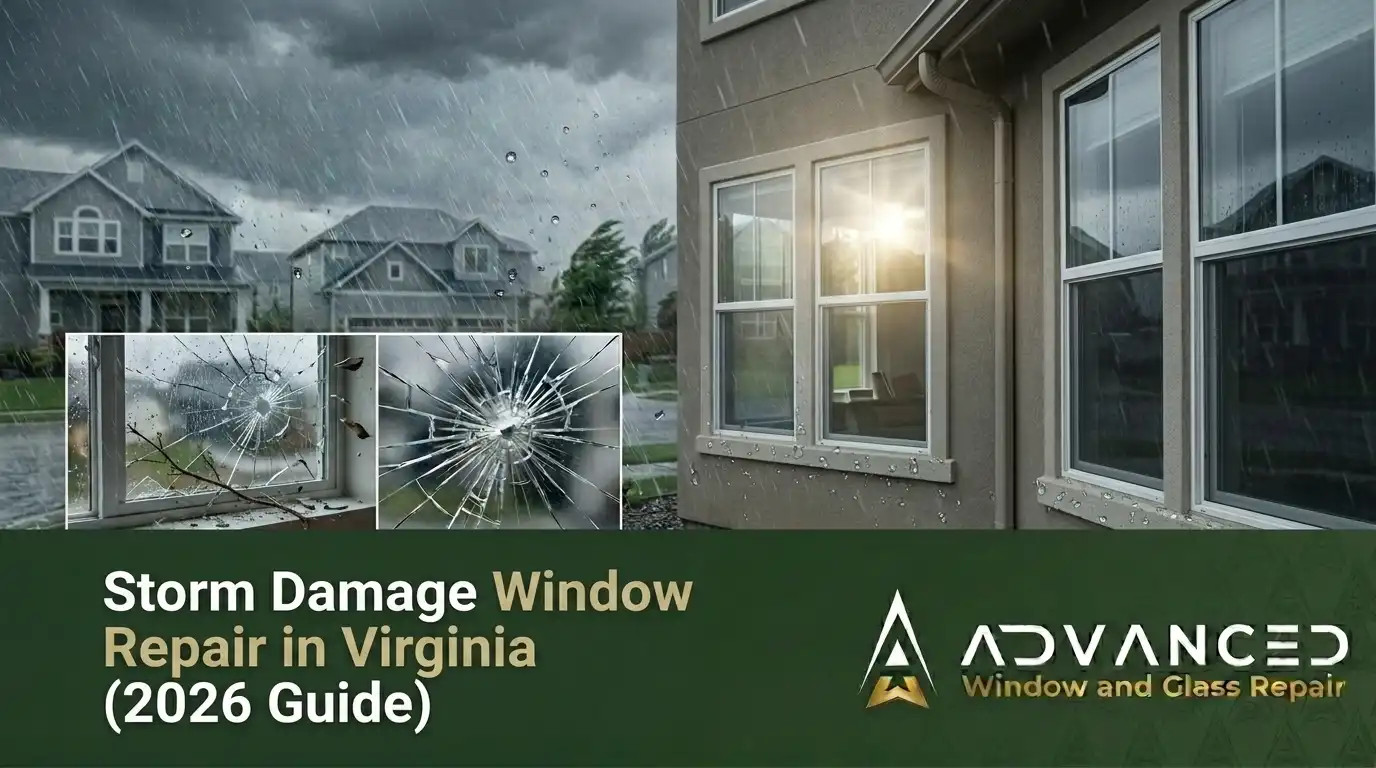
Local examples appear regularly. High winds in Prince William County or Fairfax often send branches through panes. Hail storms that track across Montgomery County and northern Virginia leave star cracks and impact points. In Washington DC, construction debris or street-level impacts create similar claims. Window glass repair in Dale City VA frequently handles these sudden-damage jobs and prepares the photos and scopes adjusters expect.
Which Causes Are Almost Never Covered
Wear and tear, age-related seal failure, and poor maintenance are excluded. Fogging between the panes of a double-glazed unit is the classic example. The seal slowly fails over years, moisture enters, and the glass looks cloudy. Insurance treats this as maintenance, not a covered loss.
Cracks that develop over time from foundation movement or thermal stress without a sudden event are also excluded. Damage that occurs while the home is vacant beyond the policy’s allowed period can be denied. Flood water that enters through an already broken window is usually excluded unless a separate flood policy exists.
The distinction matters. A sudden impact that cracks the glass is usually covered. The same glass that simply ages and fails is not.
How Deductibles Work Across the DMV
Virginia often applies percentage deductibles for wind and hail. These can range from 1 % to 5 % of the dwelling coverage amount. On a home insured for $500,000, a 2 % wind and hail deductible equals $10,000. A single broken window rarely exceeds that figure, so many claims never pay out.
Maryland and Washington, D.C., more commonly use flat-dollar deductibles, though percentage options exist on some policies. A $1,000 or $2,500 deductible is typical. When repair costs sit below the deductible, the homeowner pays the full amount.
Always check the declarations page. The difference between a flat deductible and a percentage deductible decides whether filing makes financial sense.
2026 Repair Costs Versus Deductible Math
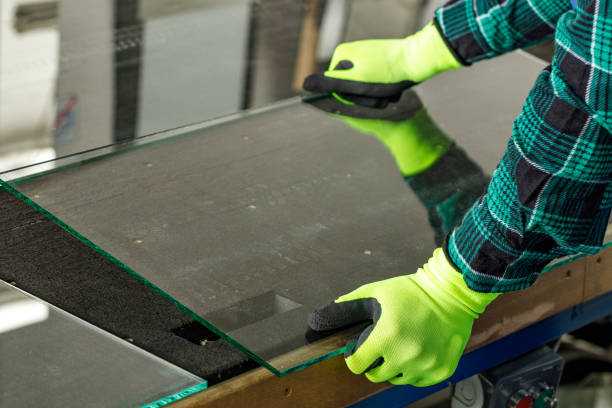
Typical residential glass or insulated-glass-unit replacement in the DMV in 2026 ranges from $180 to $450 for standard sizes. Larger or custom units often run $400 to $600. Full window replacement with a new frame can exceed $1,000–$2,000 per opening.
These numbers interact directly with deductibles. A $300 glass repair with a $1,000 flat deductible means the homeowner pays the entire cost. The same repair, subject to a $10,000 percentage deductible, is also paid out of pocket. Multiple windows damaged in one storm event can change the calculation and make a claim worthwhile.
Residential window repair companies that work with insurance claims prepare itemised scopes that list each opening separately, making the math transparent for both the homeowner and the adjuster.
Broken glass needs a clear next step. Call (571) 351-3692 or use the Contact Page for a same-day assessment and written estimate that works for insurance or out-of-pocket decisions across Virginia, Maryland, and DC.
How to Document and File a Claim the Right Way
Strong documentation starts the same day the damage occurs. Take wide shots and close-ups of every affected window before any temporary cover is applied. Note the date, time, and weather conditions. Keep receipts for plywood, plastic, or emergency board-up.
Contact the insurance agent or company promptly. Most policies require timely notice. Provide the photos and a written estimate from a licensed glass company. Avoid permanent repairs until the adjuster has seen the damage or given written approval.
Advanced Window & Glass Repair supplies adjuster-ready scopes and can attend the inspection when requested. The existing guide to home insurance coverage for storm window damage in Virginia offers additional detail on storm-specific claims that also applies to other sudden causes.
For general guidance on protecting property and documenting losses, the California Department of Insurance residential property claims guide provides clear steps that align with practices used across the country.
When Paying Out of Pocket Makes More Sense
Filing a claim is not always the smartest move. When repair costs sit well below the deductible, the homeowner pays the full amount either way. A claim can also affect future premiums or the claims history that insurers review at renewal.
Small single-window jobs, cosmetic chips that do not affect performance, and clear maintenance issues are usually better handled without a claim. Comparing the written repair estimate against the deductible and any potential premium impact gives a clear decision framework. Current local pricing appears in the window glass repair cost overview in Woodbridge, VA.
Conclusion
Does homeowners insurance cover broken windows in Virginia, Maryland & DC? Yes, when the damage is sudden and accidental from a covered peril; no, when the glass fails from age or neglect. The practical outcome depends on the deductible type, the number of openings involved, and the quality of documentation. Advanced Window & Glass Repair continues to help DMV homeowners with accurate scopes, repair-first options, and clear communication so the insurance decision is based on facts. For additional guidance on selecting the right specialist after damage occurs, see the guide to finding window repair experts after storm damage.
When a window breaks, prompt assessment and transparent pricing remove the uncertainty. Call (571) 351-3692 or visit the contact page for a free phone estimate or same-day service anywhere in Northern Virginia, Maryland, or Washington, DC.
Frequently Asked Questions
1. Does homeowners insurance in Virginia cover a window broken by a falling tree branch?
Yes, in most cases. Falling objects and wind-driven debris are standard covered perils under dwelling coverage. The homeowner must still meet the applicable deductible. In Virginia that deductible is often a percentage of the dwelling limit for wind-related events, so a single window may still be paid out of pocket. Clear photographs taken the same day and a detailed repair estimate improve the chances of a smooth claim if the numbers justify filing.
2. Will Maryland homeowners insurance pay for a window shattered by vandalism or an attempted break-in?
Yes. Vandalism and malicious mischief are covered perils on standard policies. The claim should be reported promptly and supported by police documentation when a crime is involved. Flat-dollar deductibles are more common in Maryland than percentage wind deductibles, so the repair cost is more likely to exceed the deductible on a single opening. Temporary board-up costs are usually reimbursable when they prevent further damage.
3. Does a Washington, DC homeowners policy cover accidental damage such as a child hitting a ball through a window?
Most policies cover sudden accidental damage of this type under the dwelling section. The exact wording should be checked, but open-peril or broad named-peril forms typically include it. The claim is still subject to the deductible. Many DC homeowners choose to pay small repairs out of pocket to avoid a claims record, especially when the cost is only a few hundred dollars.
4. Are foggy or cloudy double-pane windows covered by insurance in the DMV?
No. Fogging is caused by gradual seal failure and is treated as wear and tear or maintenance. Insurance excludes this type of damage across Virginia, Maryland, and Washington DC. The insulated glass unit can still be replaced without a full window replacement when the frame remains sound, and that repair is almost always an out-of-pocket expense.
5. How do percentage wind and hail deductibles in Virginia affect a broken-window claim?
A percentage deductible is calculated on the dwelling coverage amount. On a $400,000 policy with a 2 % wind and hail deductible, the homeowner pays the first $8,000 of covered wind or hail damage. One or two broken windows rarely reach that threshold, so the claim pays nothing after the deductible. Multiple openings or additional roof and siding damage from the same storm can make the claim worthwhile. Always compare the total estimated repair cost against the specific deductible on the declarations page.
6. Should a homeowner file a claim for a single broken window or just pay for the repair?
Compare the written repair estimate to the deductible first. If the repair cost is lower than the deductible, the homeowner pays the full amount either way, and a claim adds a record that insurers may review later. When several windows are damaged in one event, or the total exceeds the deductible by a comfortable margin, filing is usually the better financial decision. A local glass company that prepares clear, itemised scopes makes this comparison straightforward.